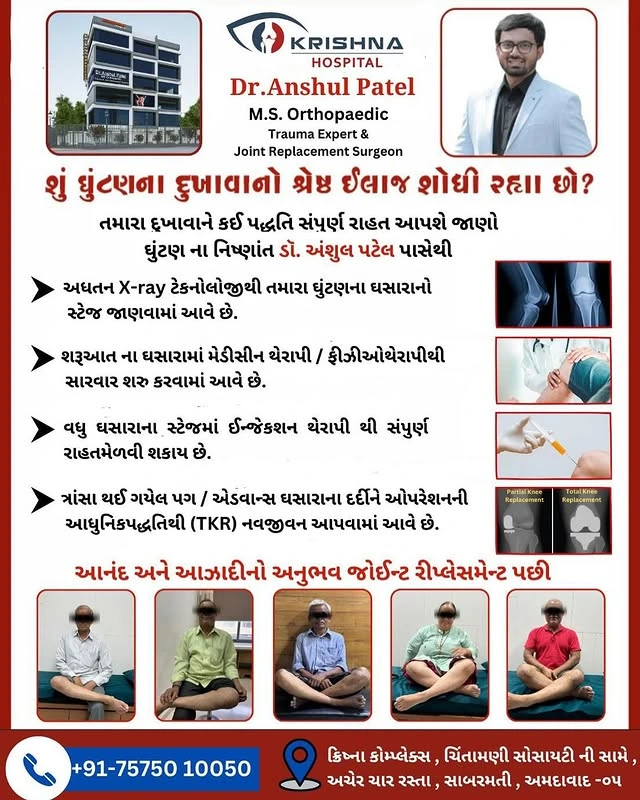
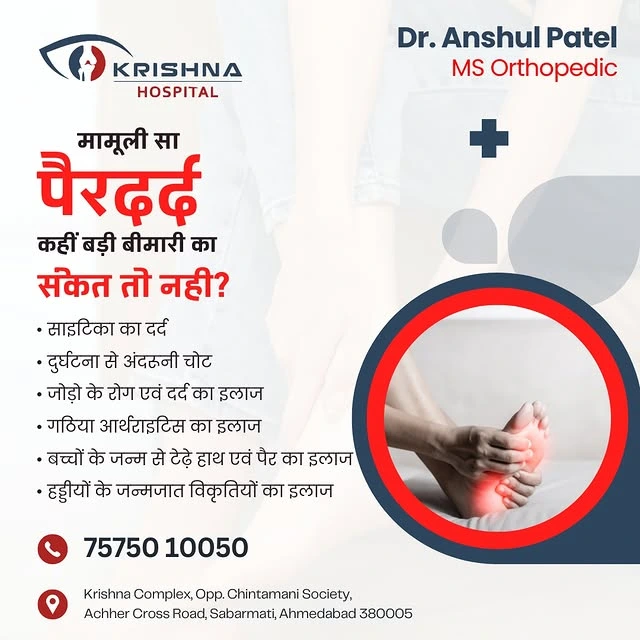
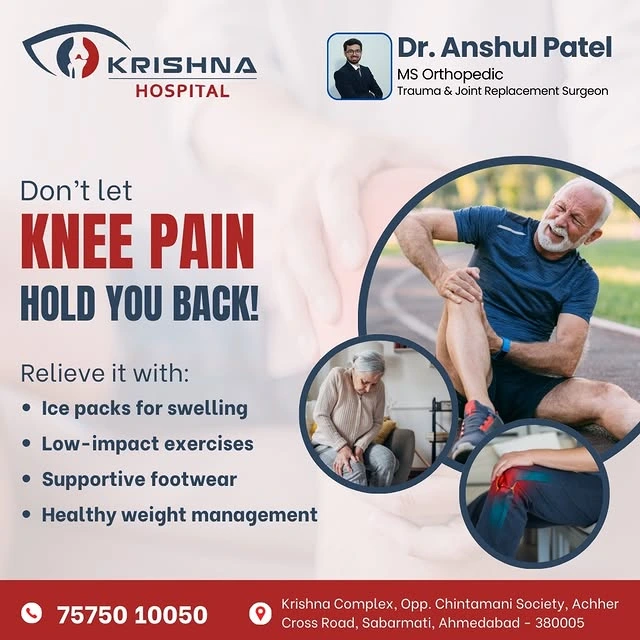
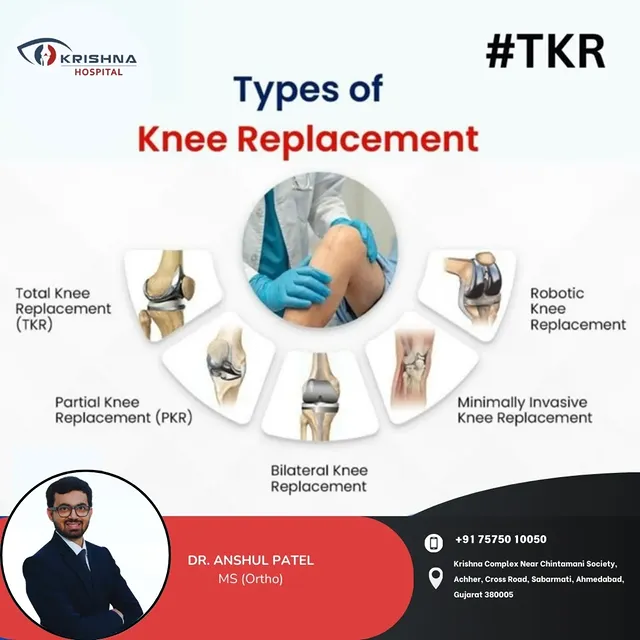
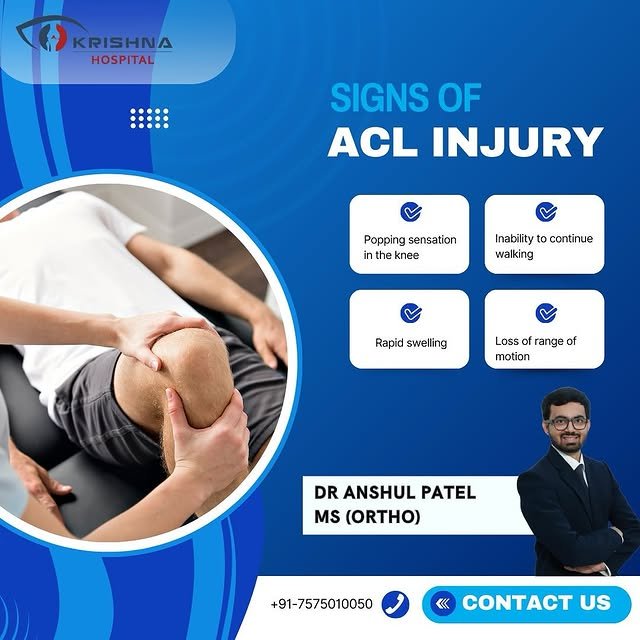
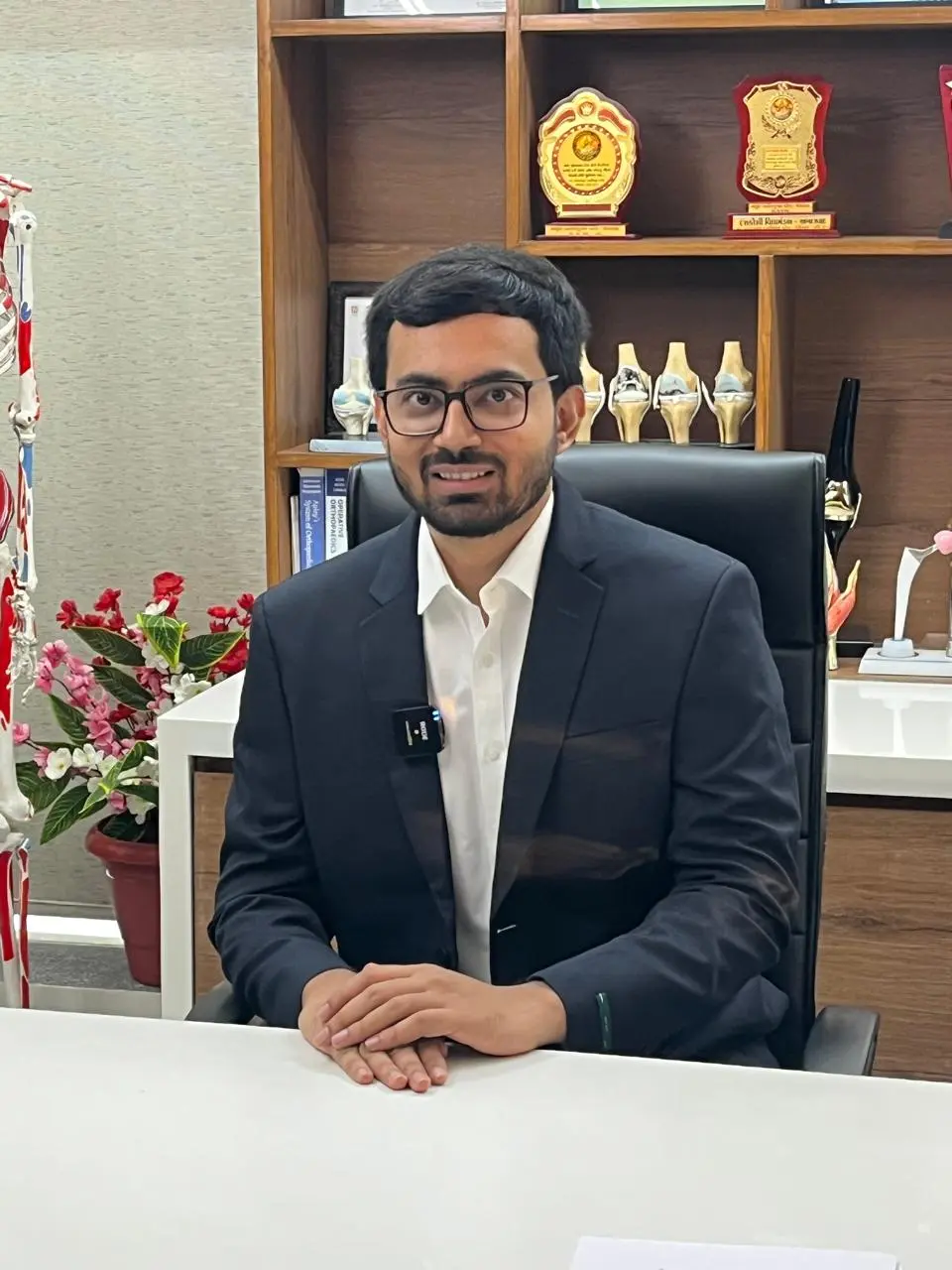
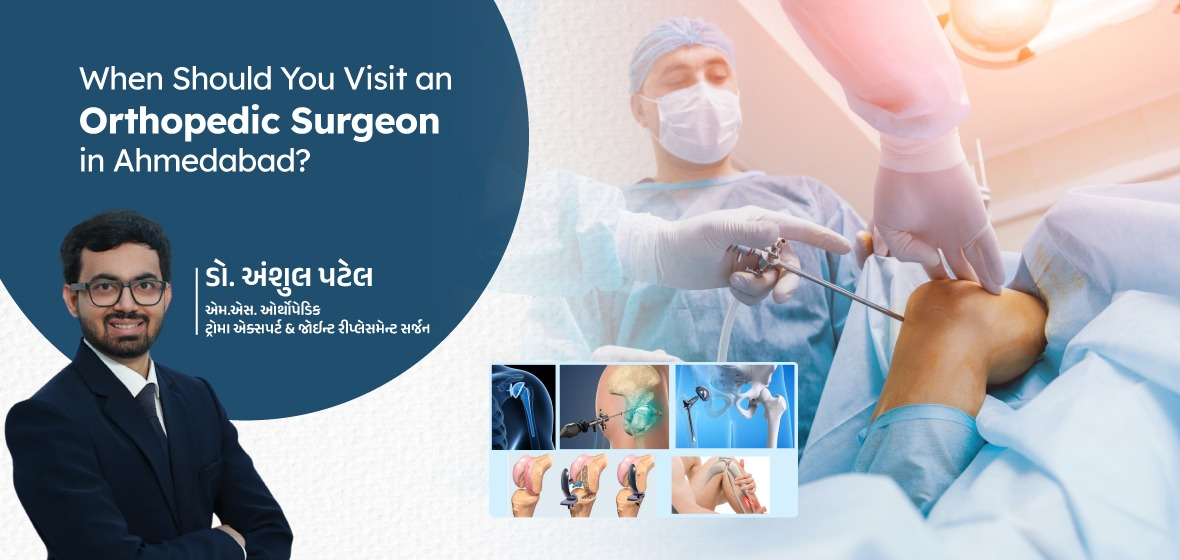
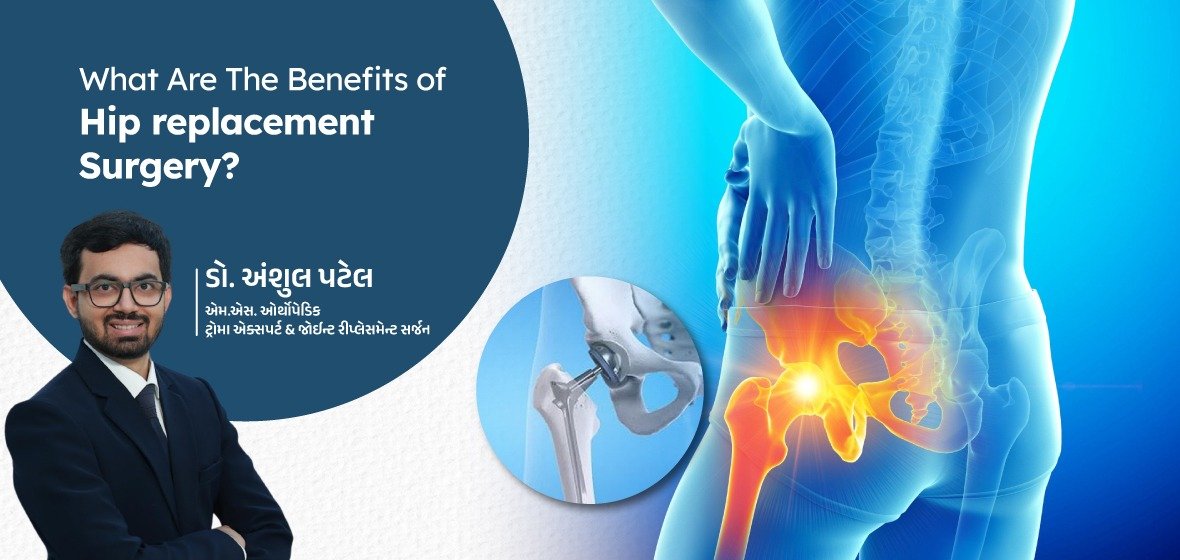
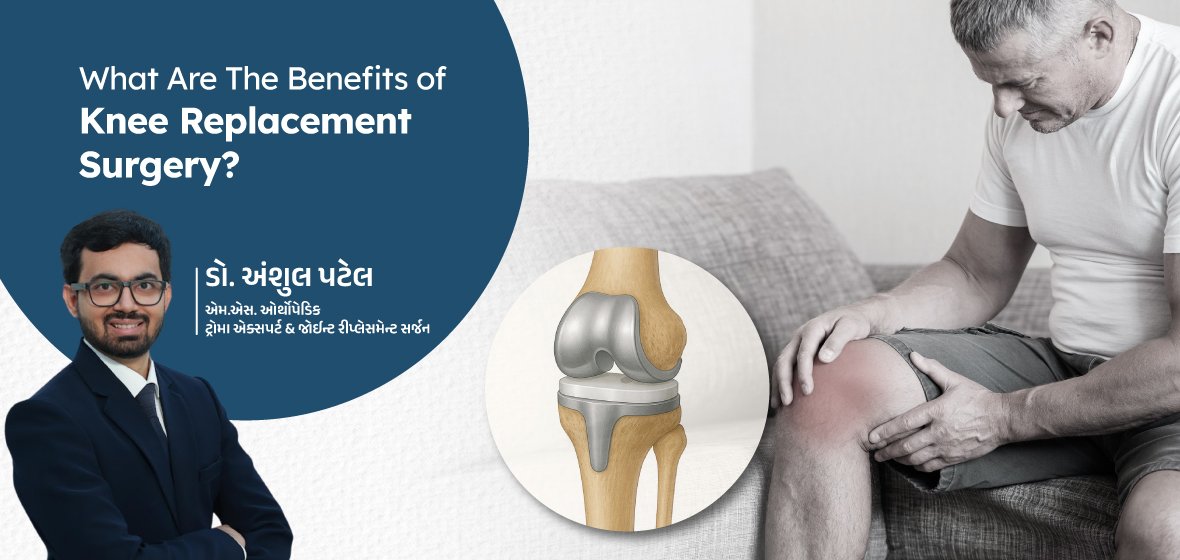
If you're dealing with bone, joint, or muscle trouble, Dr. Anshul Patel is worth knowing about. He's an orthopaedic surgeon in Ahmedabad with more than 8+ years , currently practising at Krishna Hospital in Sabarmati. What patients tend to appreciate most is that he doesn't push everyone down the same treatment path, you get a proper diagnosis, a straight answer about your options, and a recovery plan that actually fits your situation.
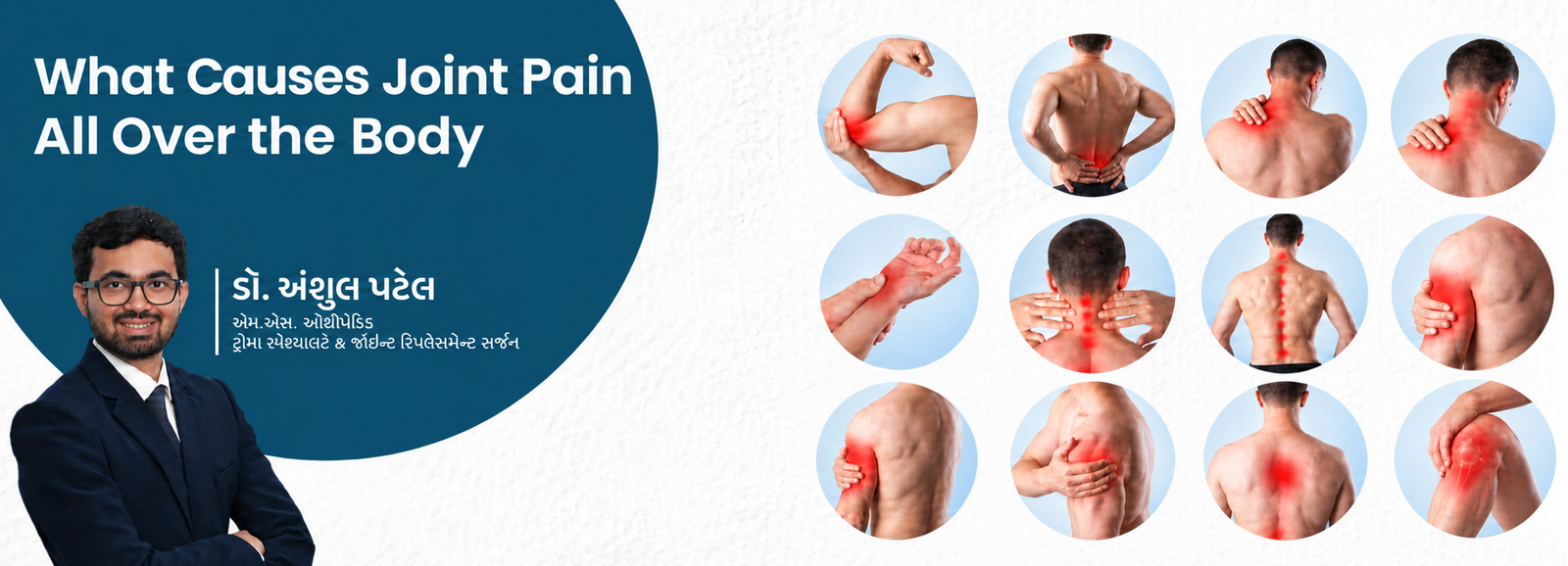
Joint and bone problems don't always come from one obvious cause. Sometimes it's age catching up, sometimes it's an old injury, sometimes it's just years of overusing (or misusing) your body, and sometimes it's a lifestyle habit or an underlying medical condition. Whatever the reason, if pain, stiffness, or limited movement is starting to get in the way of your daily life, that's usually the sign to stop guessing and get it looked at by an orthopaedic surgeon in Ahmedabad.
Dr. Anshul Patel studied MBBS in Ahmedabad, completed his MS in Orthopaedics in Indore, and gained further experience through his senior residency in Gandhinagar. After that, he pursued a fellowship in Hip & Knee Joint Replacement at Ramaiah University, training under Dr H. P. Bhalodia.
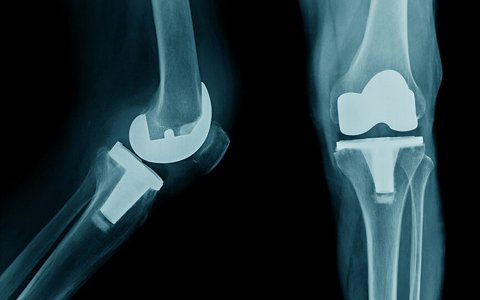
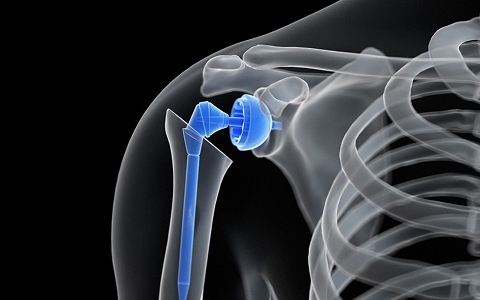
In the 8+ years since, he's built up a fairly substantial track record, over 25,000 patients treated, more than 5,000 trauma surgeries performed, and over 1,000 joint replacements completed.
Years Of Experience
Patients Treated
Trauma Surgeries
Joint Replacements
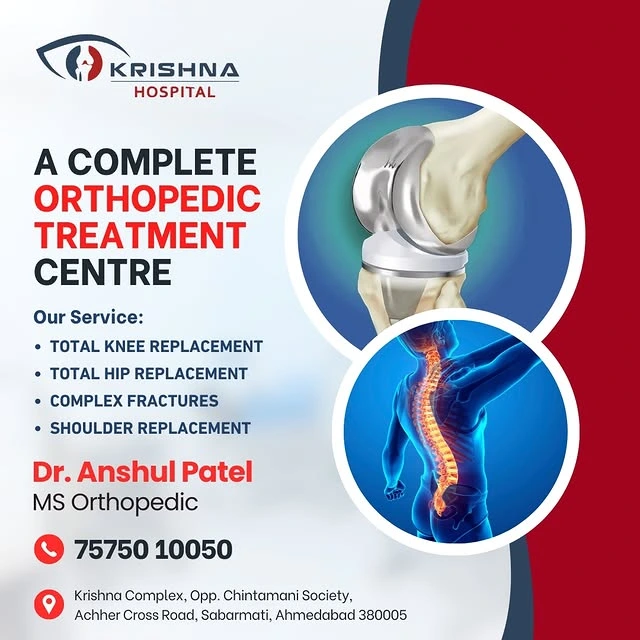
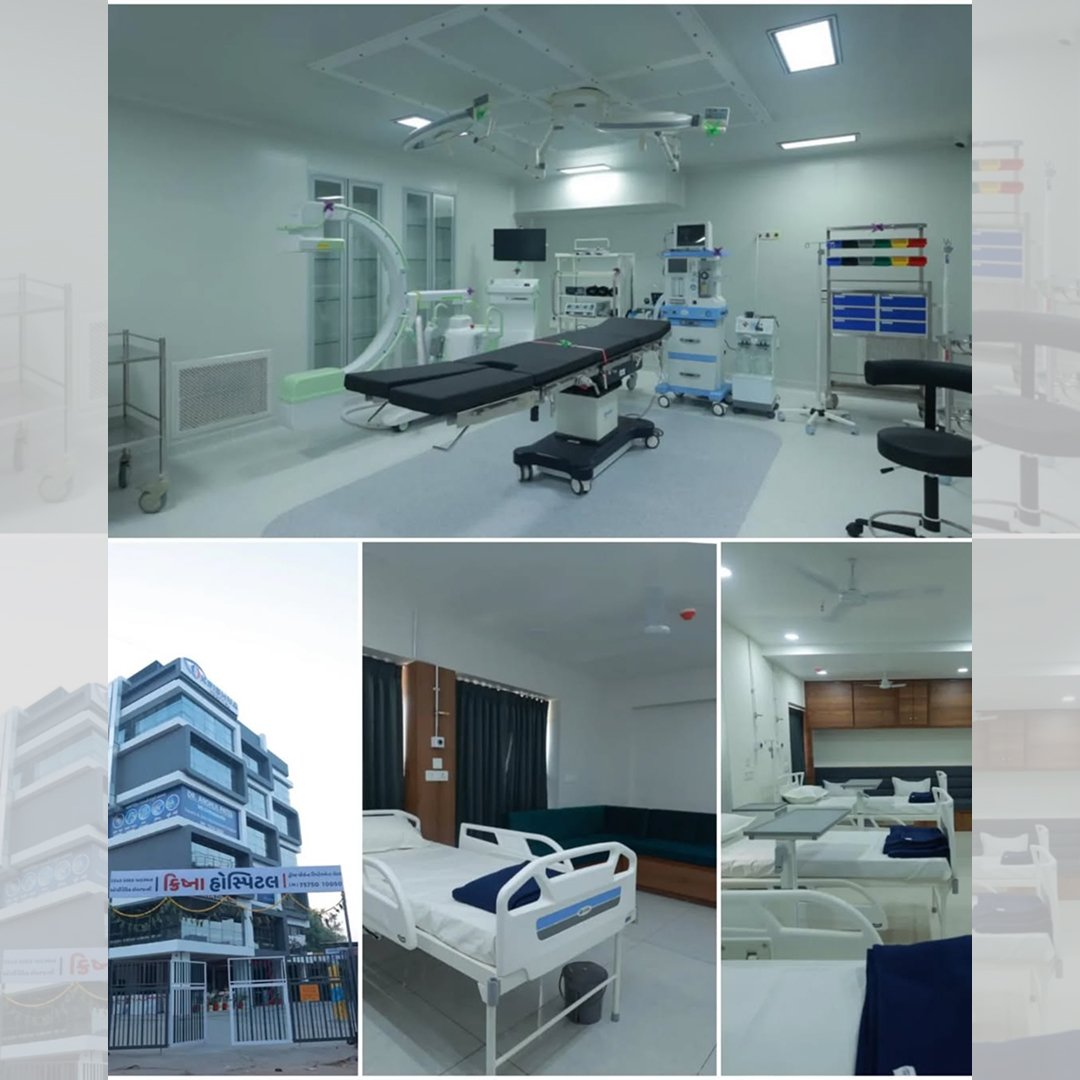
At Krishna Hospital, we focus entirely on patient comfort and top results. That's why patients trust our hospital and rely on us for their orthopaedic treatment in Ahmedabad . Here's a rundown of what's handled at Krishna Hospital:
Honestly, picking an orthopaedic surgeon in Ahmedabad isn't just about checking degrees and certificates off a list, it's also about how you're actually treated once you're sitting in front of them. A few things patients keep mentioning about Krishna Hospital:
Krishna Hospital keeps emergency care, the healing process, and non-surgical management all under one roof, so people aren't shuffled between different clinics for anything related to orthopaedic surgery in Ahmedabad.
Bones, joints, muscles, ligaments, tendons, basically anything in that system. That covers fractures, arthritis, sports injuries, spine problems, and joint replacement surgery.
Basically, don't wait it out. If there's joint pain, stiffness, or swelling that isn't going away with rest or the usual home remedies, that's your cue to get it looked at properly instead of hoping it fixes itself.
It depends on a few things, the implant type, whether it's a partial or total replacement, how long you're in hospital, and what rehab you need afterward. This is really a conversation to have directly during a consultation, since every case looks different.
Look for someone with real, focused experience in the specific procedure you need, who explains your options clearly, and who's backed by a hospital that offers proper rehab support, not just the surgery itself. It also helps to check patient reviews and simply ask the surgeon how many cases like yours they've handled.
These problems are addressed well by contemporary anaesthesia and pain management, both during and after the procedure. Patients generally state that the pain is bearable and gradually improves every day.
No, at least not immediately after standard treatments like physiotherapy, medication and some minor lifestyle changes, which typically works just fine for most people anyway. Surgery usually only arises after those avenues have been explored and failed to provide adequate relief.
Along with general health and fitness levels, if the individual is able to cope with the recovery and rehab that follows.
Most people are getting out of bed and walking with support during Days 1-2. Light daily tasks generally return after 4โ6 weeks and full recovery can vary, often taking a few months.
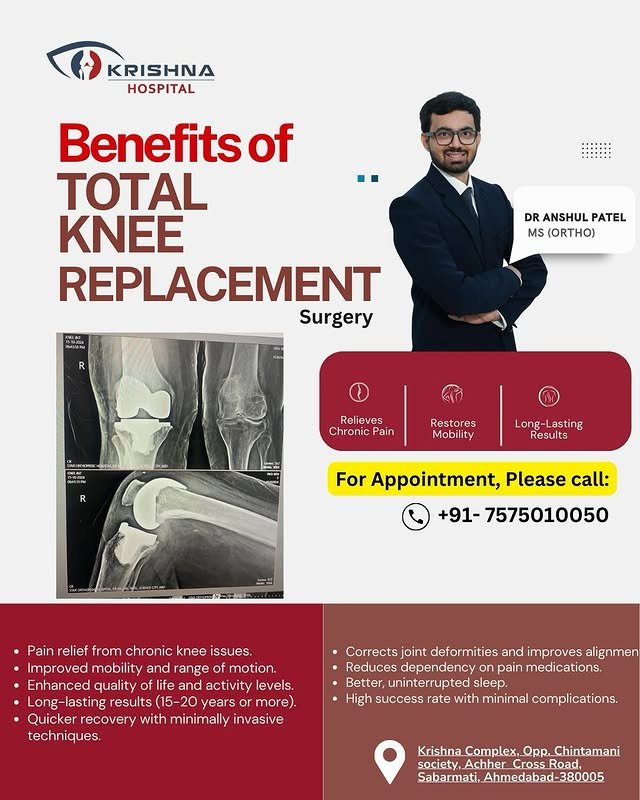
Most implants today should last anywhere from 15 to 20 years if great post-operative care is followed, some even longer with the right implant!
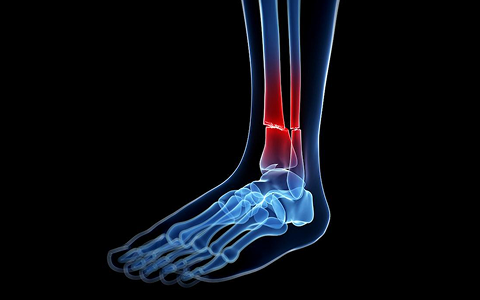
Try not to move the injured area, splint it if you can, and get to a hospital or orthopaedic doctor as quickly as possible. Putting off treatment for a fracture can make things worse.
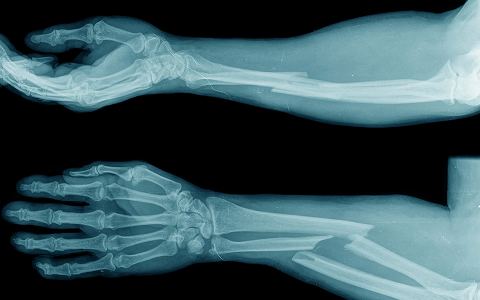
A few signs are worth paying attention to, walking gets harder, stairs become a problem, sleep gets disrupted by the pain, and neither medication nor physiotherapy is helping anymore. Even then, an X-ray is really what confirms it, not guesswork.
Not automatically better for every patient, but they can mean smaller incisions, less disruption to surrounding muscle, and quicker recovery for the right candidates. Your surgeon can tell you if you're a good fit.